Explore the reality of elderly isolation in Scotland, its impact on emotional wellbeing & how companionship care builds connection and confidence.
22 May 2026
Written by Julie Fraser
Elderly isolation is a growing concern across Scotland, particularly among older adults living independently in areas such as Inverness, Aberdeenshire and rural communities.
While many people appear to manage day-to-day life, they may be experiencing significant loneliness, reduced social contact and a lack of meaningful connection.
At Fraser Elite, we see this every day through our private home care and companionship visits — and we also see how consistent human connection can improve confidence, emotional wellbeing and quality of life.
In this post, we’ll explore what elderly isolation looks like, why it matters and practical ways companionship care can make a profound difference.
Elderly isolation refers to a situation where an older person has limited meaningful social interaction. This can happen even when someone is not physically alone, and is often linked with reduced independence, mobility challenges or life changes such as bereavement.
Elderly isolation refers to when an older person has limited social contact and meaningful interaction with others. It’s closely linked with loneliness — but it’s key to remember that isolation can occur even when someone has people around them, if they lack connection and purpose.
In Scotland, loneliness among older people is far more common than many realise:
A national survey by Age Scotland found that around 46 % of people aged 50+ experience loneliness either “some” or “all” of the time
Census data from 2022 found that more than half a million people aged 55+ were living alone — a major risk factor for isolation.
Separate Household Survey findings from 2024 indicated that 25% of adults aged 75+ reported feeling lonely some of the time in the past week.
These are not just numbers — they represent real people whose days can be marked by silence, inactivity or disconnection from community life.
Why Elderly Isolation Matters: The Impact on Health & Wellbeing
Loneliness isn’t just an emotional experience, it’s increasingly recognised as a serious health risk affecting both physical and mental wellbeing:
Loneliness may increase the risk of anxiety, depression and stress.
Social isolation can impact physical health, including higher risk of cardiovascular issues and cognitive decline.
Older people who lack meaningful connection may reduce social activities altogether, which can lead to a decline in confidence and emotional wellbeing.
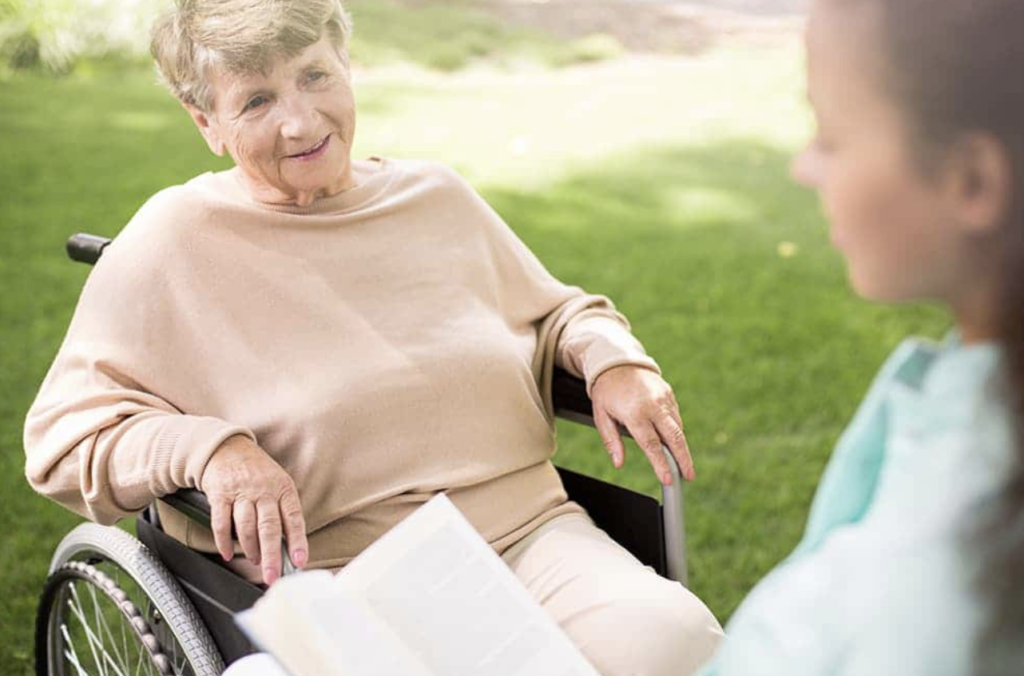
For many of our clients at Fraser Elite, something as simple as a weekly conversation or shared activity can lift mood and build confidence. Small moments of connection create ripple effects for overall quality of life.
Private Home Care & Companionship Support in Scotland
Many families searching for support with elderly isolation are also looking for private home care services that provide both practical help and companionship.
At Fraser Elite, our home care services are designed to support independence while also reducing loneliness through regular, meaningful interaction.
What We See Every Day: Realities from Home Care
In our work across Inverness and Aberdeenshire, we often see how quickly isolation can develop when an older adult’s routine changes:
They miss the social interactions they once took for granted — neighbours, friends at local clubs, or visits from family.
Reduced mobility or health issues can make it harder to attend community events or even leave the house.
Transitions such as bereavement or retirement often shrink social circles overnight.
What Companionship Care Looks Like
Companionship care focuses on emotional wellbeing as much as practical support.
At Fraser Elite, our companionship care services are tailored to each person’s needs and interests. This may includes:
Regular friendly visits and conversations to reduce loneliness and build emotional wellbeing
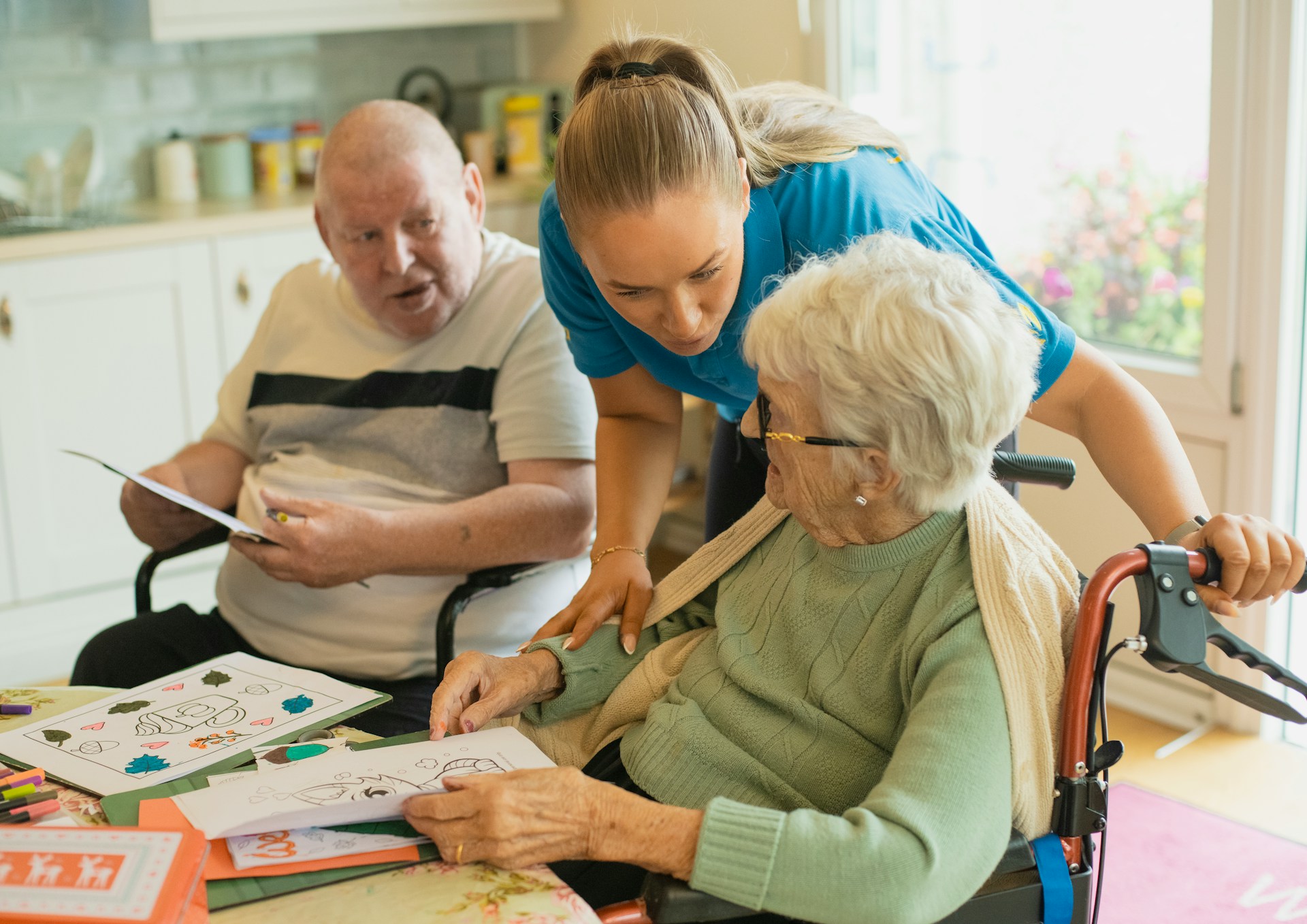
Support with hobbies, routines and activities
Accompanied outings and local trips
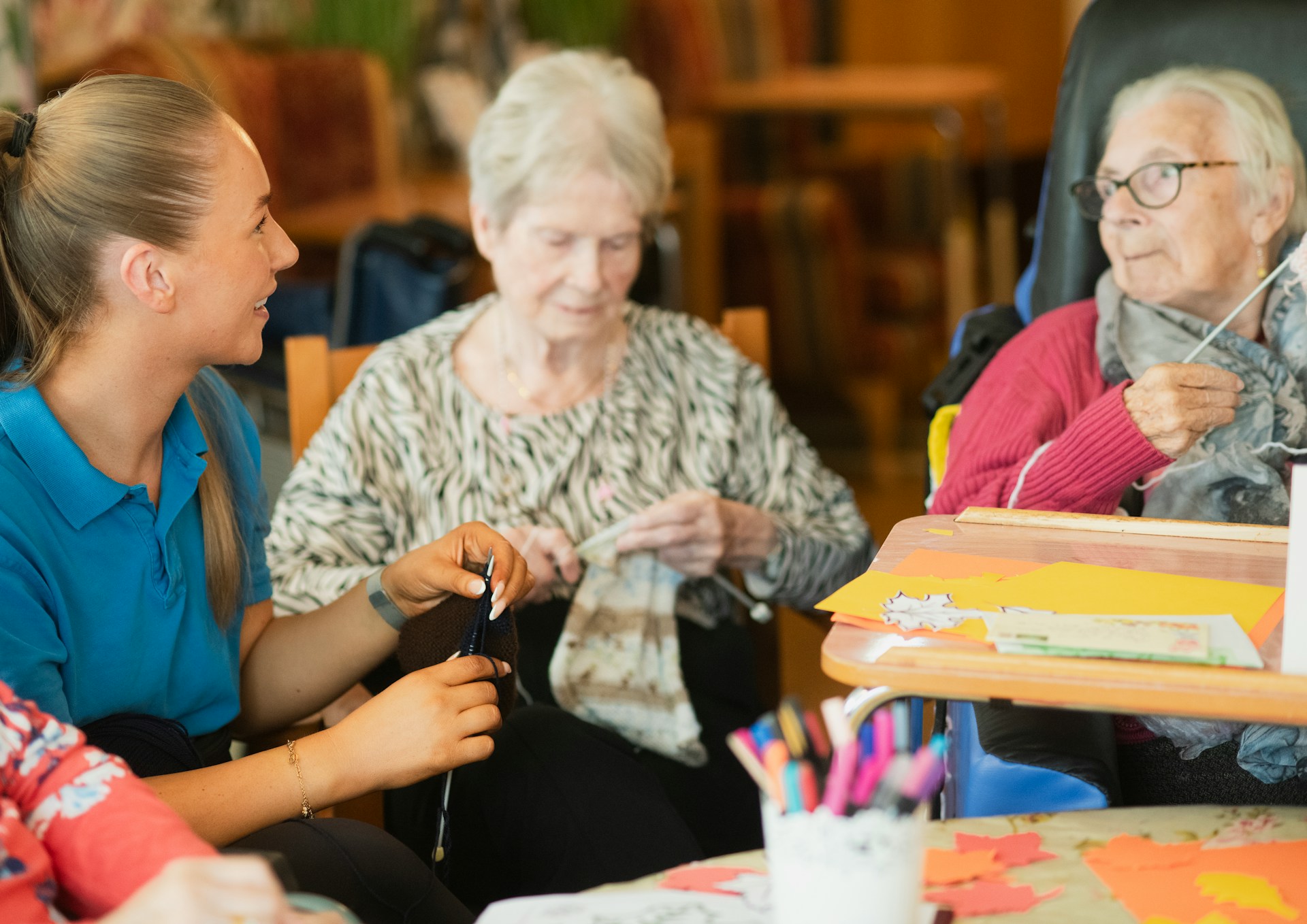
Shared activities, such as walks, games or hobbies that build social confidence
Support with reconnecting to old interests or community groups
Encouragement to stay socially and mentally active
We’ve seen time and again how simple, consistent human contact strengthens trust, stirs joy and helps people feel truly seen.
Practical Ways to Prevent Elderly Isolation
Whether or not someone is receiving companionship care services, there are meaningful ways to help reduce feelings of isolation:
Encourage social activity: regular attendance at clubs, faith groups or hobby classes increases connection.
Facilitate community transport or accessible outings: physical access to events makes all the difference.
Check in frequently: a phone call, shared meal or short visit can shift someone’s wellbeing.
Connect people with support services: helplines and external befriending programmes provide additional social connection resources.
How Private Home Care Can Help Reduce Isolation
Private home care can play an important role in reducing elderly isolation by combining practical support with regular human connection.
Elderly isolation is widespread, but it’s not inevitable. With thoughtful support, encouragement and the right companionship, older people can remain socially connected, emotionally fulfilled and confident in their daily lives.
Elderly isolation refers to a lack of meaningful social contact and connection, often resulting from living alone, reduced mobility, bereavement or withdrawal from social activities.
How does isolation affect wellbeing?
Isolation can negatively impact emotional wellbeing, leading to loneliness, depression and increased risk of physical health issues such as heart disease or cognitive decline.
What is companionship care?
Companionship care provides regular social interaction, shared activities and emotional support, helping older people feel connected, confident and engaged in life.
How can I help an isolated older person?
Simple actions — like regular visits, support to attend community events, or even a phone call — can significantly improve connection and reduce loneliness.
Does isolation only affect people living alone?
Not necessarily – people can feel isolated even with others around them if they lack meaningful connection or opportunities for social engagement.
What causes elderly isolation in older adults?
Common causes include living alone, reduced mobility or health conditions, bereavement, retirement and loss of routine and limited access to transport or community activities.
What are the signs of loneliness in elderly people?
Signs may include withdrawal from social activities, low mood, lack of motivation, reduced communication and changes in daily routines.
How common is elderly isolation in Scotland?
Loneliness among older adults is a recognised issue in Scotland, particularly for those over 65 living alone or in rural communities.
How can home care help with elderly isolation?
Private home care helps by providing regular visits, companionship, emotional support and assistance with daily tasks, helping older adults stay connected and confident.
Can companionship care improve wellbeing?
Yes, regular social interaction and companionship can help improve mood, reduce loneliness and support overall emotional wellbeing.
Does Fraser Elite provide private home care in Inverness and Aberdeen?
Yes, Fraser Elite provides private home care and companionship services across Inverness, Aberdeen, Aberdeenshire and surrounding areas.