Advice on how to talk to a loved one about accepting help at home with empathy, dignity and reassurance.

- 01463 716 796
- [email protected]
- Fraser Elite Ltd, Brambly Hedge, Milton Of Culloden, Inverness, IV2 7NU
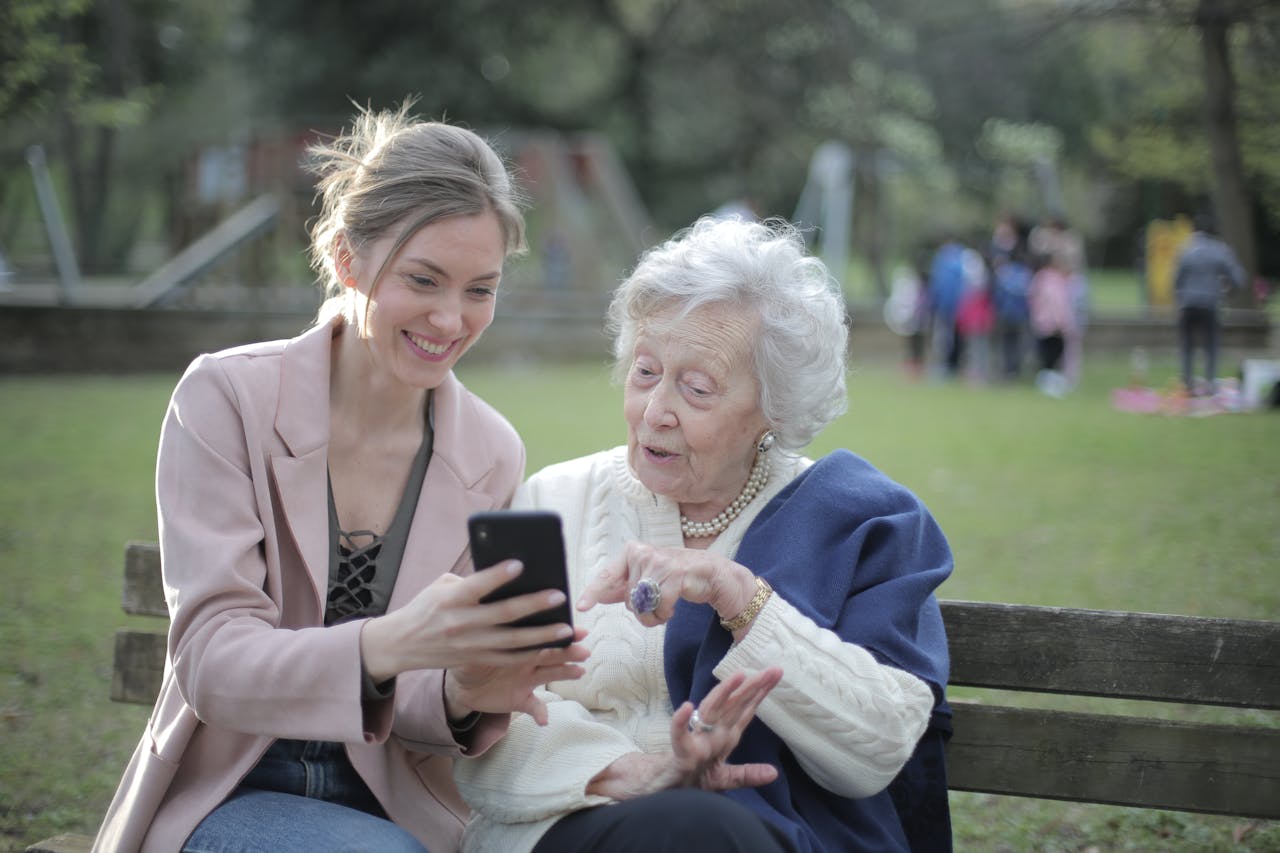
Starting a conversation about help at home isn’t easy – especially when it involves someone you care about deeply. Many families worry about saying the wrong thing, causing upset or damaging a loved one’s sense of independence. This article offers gentle, practical guidance on how to approach the conversation with empathy, respect and reassurance – and how private home care can support confidence rather than take it away.
At Fraser Elite, we support families across Inverness and Aberdeenshire through these conversations every day. The key is to remember that you’re not alone, and there is a way to talk about help at home that feels supportive rather than confrontational.
For many older adults, accepting home care can bring up feelings of fear, loss of independence or resistance. Agreeing to home care help can sometimes be misunderstood as a sign of “giving up” or losing control, even when the support is light and practical.
Understanding this emotional backdrop can help families approach the conversation with greater patience and compassion.
It’s tempting to jump straight to practical answers, but the most effective conversations begin simply with listening.
Try to:
This approach aligns with Independent Age guidance on person-centred conversations, which emphasises listening, respect and shared decision-making. When people feel heard, they’re more likely to feel safe discussing change.

Language matters. Instead of framing home care as something that’s “needed”, it can help to describe it as something that supports independence.
You might say:
Home care, especially when introduced early, often helps people stay at home comfortably for longer, rather than accelerating dependency. This aligns with NHS advice on talking about future planning early on, giving time for others to think things through if needed. Help at home isn’t just practical – it’s emotional too. A trusted carer can support a consistent routine, continuity and friendly conversation.
This combination of emotional support and practical help can reduce anxiety and build confidence over time, both for older adults and their families.

Accepting help around the house doesn’t have to be all-or-nothing. Many people feel more comfortable starting small to allow time for adjustment.
Examples might include:
Fraser Elite’s services are flexible and tailored, allowing support to grow naturally alongside confidence and comfort.
Resistance and anger often comes from fear – a fear of change, fear of judgement or fear of losing privacy. Addressing these concerns directly can help.
Reassure your loved one that:
Sometimes, despite your best efforts, a loved one may say “no” to home support. That doesn’t mean the door is closed forever.

If this happens:
Change often takes time – and that’s okay.
Talking about help at home is rarely a one-off conversation. It’s a process – and having professional guidance can make it easier.
At Fraser Elite, we work closely with families to introduce home care in a way that feels natural, respectful and empowering. We are happy to discuss personalised support and provide transparent, flexible payment options. From companionship care to practical help around the home, our care services are designed to support independence, not replace it.
Learn more about our Home Care Services
Resistance is often rooted in fear of losing independence, privacy or dignity. Many people worry that accepting help means giving up control, even when support is minimal.
Start with listening and empathy. Focus on support rather than need, and frame help as a way to maintain independence and quality of life.
Yes – early, low-level support can prevent stress and make it easier to adapt gradually, rather than waiting until help feels unavoidable.
Give them time and revisit the conversation later. Many older people become more open once they understand that care can be flexible and respectful.
No – home care is designed to support independence by removing strain and providing reassurance rather than taking over daily life.
Yes – the companionship, routine and reassurance of home care can reduce anxiety and loneliness, helping older adults feel more confident at home.
We use cookies to improve your experience and analyse site traffic. Choose which cookies you accept below.
These cookies are required for the website to function and cannot be switched off.
Services in this category
These cookies enable enhanced functionality and personalisation.
Services in this category
These cookies help us understand how visitors interact with the website.
Services in this category
These cookies are used to deliver relevant advertisements and track ad campaign performance.
Services in this category